
Mold damage is one of the most frustrating problems homeowners can face. A small water leak or hidden moisture issue can quickly turn into a serious problem affecting both your property and your health. Many homeowners in Ontario are surprised to learn that mold damage is not always covered by home insurance.
So, does home insurance cover mold damage in Ontario?
The answer depends on the cause of the mold. Insurance companies typically focus on what caused the mold rather than the mold itself. Understanding how coverage works can help homeowners protect their rights and avoid costly mistakes.
Is Mold Damage Covered by Home Insurance in Ontario?
Homeowners’ insurance policies in Ontario may cover mold damage when the mold results from a sudden and accidental insured event.
Examples include:
- Burst pipes;
- Water damage caused by a malfunctioning appliance;
- Storm-related water intrusion;
- Firefighting efforts after a fire; and,
- Other sudden and unexpected events covered under the policy.
If mold develops because of one of these insured losses, the cost of remediation and repairs may be covered.
However, insurance companies often deny mold claims if they believe the damage developed gradually or resulted from poor maintenance.
When Is Mold Damage Usually Not Covered?
Many homeowners assume that any mold problem is automatically covered by insurance. Unfortunately, that is not always true.
Insurance companies frequently deny mold claims involving:
- Long-term leaks;
- High humidity or condensation;
- Lack of maintenance;
- Poor ventilation;
- Neglected plumbing problems; and,
- Wear and tear.
Because insurance policies are designed to protect against sudden and accidental losses, damage that develops slowly over time is often excluded.
What Causes Mold in Homes?
Mold can develop in many ways, including:
Burst Pipes
A burst pipe can cause significant water damage within hours. If moisture is not properly removed, mold may begin to grow quickly.
Roof Leaks
Storm damage or damaged shingles may allow water to enter the home and create ideal conditions for mold.
Appliance Failures
Dishwashers, washing machines, refrigerators, and water heaters can leak unexpectedly, leading to hidden moisture problems.
Flooding
Basement flooding or severe weather events may contribute to mold growth if cleanup is delayed.
Why Do Insurance Companies Deny Mold Claims?
Insurance companies often investigate whether the damage occurred suddenly or developed gradually.
Common reasons for denial include:
- The insurer believes the homeowner failed to maintain the property;
- The leak existed for a long period of time;
- The damage falls under policy exclusions;
- Insufficient evidence exists regarding the cause of the water damage; and,
- Delayed reporting of the claim.
In some cases, insurance companies may incorrectly deny legitimate claims.
If an insurer unreasonably delays or wrongfully denies your claim, you may also have grounds for a bad faith insurance claim.
What Should You Do If You Discover Mold?
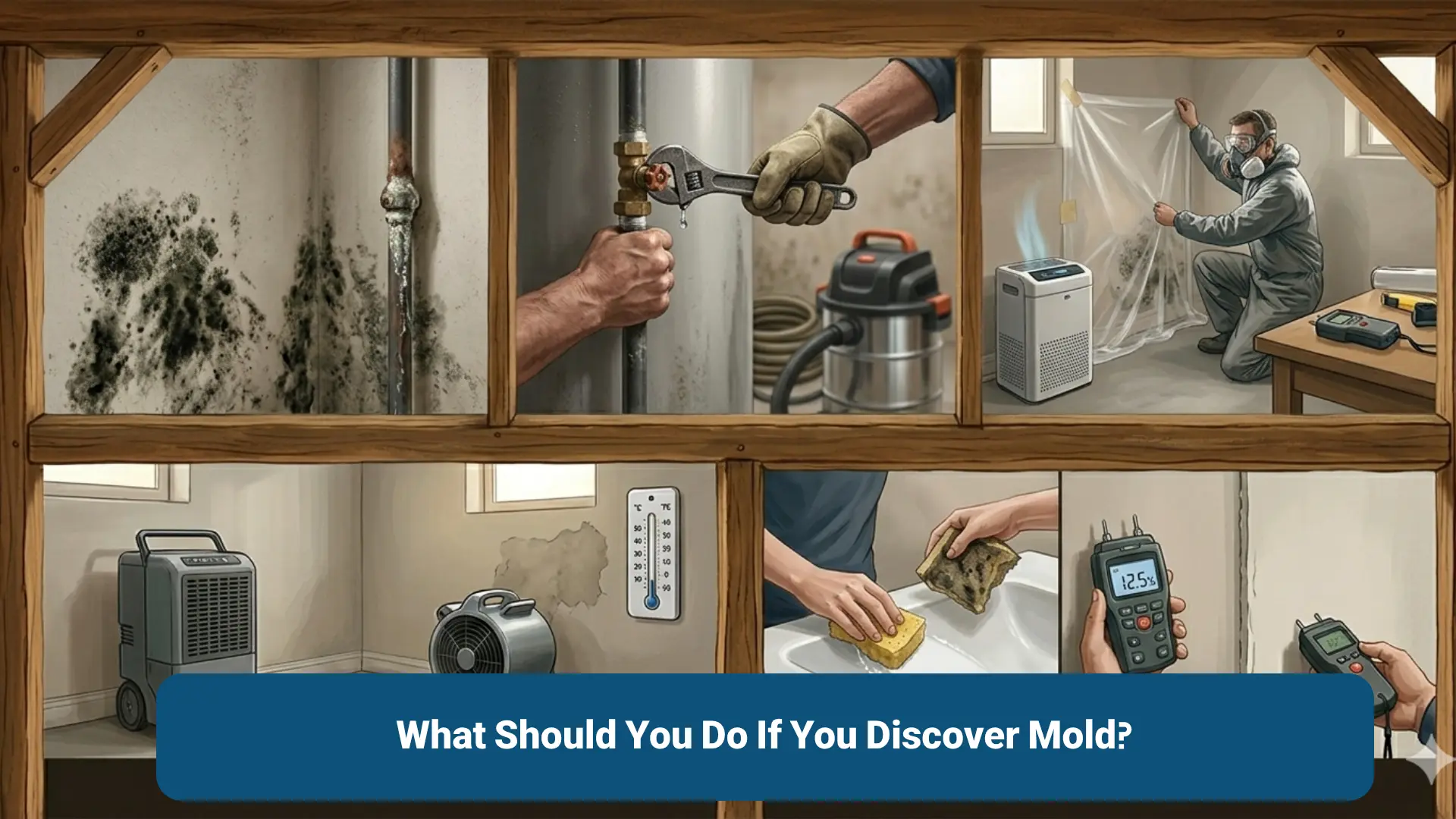
If you find mold in your home, taking immediate action is essential.
- Document the Damage
Take photographs and videos of the affected areas.
- Prevent Further Damage
If possible, stop the source of the water intrusion and arrange emergency mitigation.
- Notify Your Insurance Company
Report the loss promptly and cooperate with the claims process.
- Keep Receipts and Records
Maintain records for emergency repairs, temporary accommodations, and remediation expenses.
- Seek Legal Advice if Your Claim Is Denied
If your insurance company refuses to pay your claim, legal guidance may help you understand your rights.
Can You Challenge a Denied Mold Claim?
Yes.
Insurance claim denials are not always final.
Depending on the circumstances, homeowners may challenge an unfair denial through:
- Additional evidence;
- Expert reports;
- Negotiation with the insurance company;
- Legal action; and,
- Bad faith insurance claims.
An experienced insurance lawyer can review your policy and determine whether the denial was justified.
Can Mold Affect Your Health?
Mold exposure may cause:
- Allergic reactions;
- Respiratory problems;
- Asthma symptoms;
- Eye and skin irritation; and,
- Headaches and fatigue.
Because mold can create both property and health concerns, prompt remediation is important.
How a Property Damage Lawyer Can Help
Insurance disputes involving mold damage can be complicated. Insurance policies contain exclusions, limitations, and technical language that can be difficult for homeowners to interpret.
A lawyer may help by:
- Reviewing your insurance policy;
- Communicating with the insurance company;
- Challenging wrongful denials;
- Negotiating settlements; and,
- Pursuing legal remedies when necessary.
Early legal advice may improve your chances of recovering compensation.
Frequently Asked Questions
Does homeowners’ insurance cover mold removal in Ontario?
It may. Coverage generally depends on the cause of the mold. Mold resulting from a sudden and accidental insured event may be covered.
Is mold caused by a leaking pipe covered by insurance?
In many cases, yes, especially if the leak occurred suddenly and was not due to neglect.
Does insurance cover black mold?
Black mold itself is not treated differently. Coverage depends on the underlying cause of the damage.
Can an insurance company deny a mold claim?
Yes. Insurers often deny claims involving long-term leaks, poor maintenance, or policy exclusions.
Can I sue my insurance company for denying my mold claim?
Depending on the circumstances, homeowners may have legal options if the denial is unreasonable or made in bad faith.
Contact Kamyab Law
If your home insurance claim for mold damage has been denied, you do not have to face the insurance company alone.
At Kamyab Law, we help homeowners throughout Ontario understand their rights and challenge unfair insurance decisions.
Contact us today for a free consultation and learn how we may be able to help you recover the compensation you deserve.


.svg)